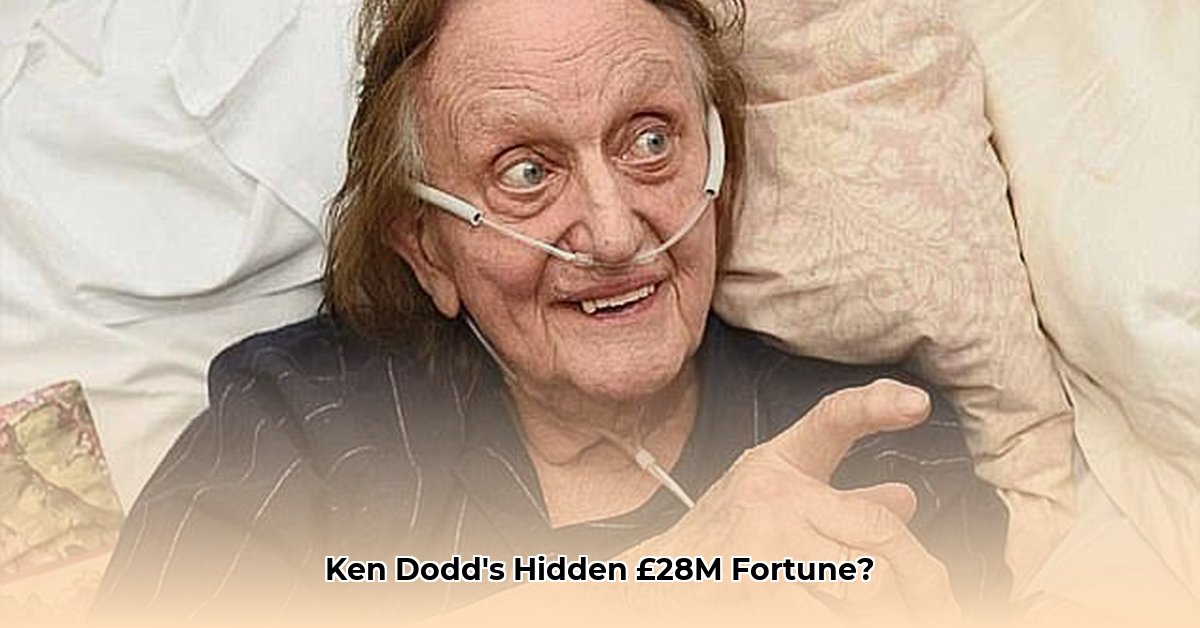
The £28 Million Question and a Hyperlocal Philanthropic Model
Sir Ken Dodd, the iconic British comedian, left behind a substantial estate, estimated at approximately £28 million. However, the precise figure remains elusive, highlighting the inherent challenges in accurately assessing the net worth of high-profile individuals. This ambiguity, however, does not diminish the significance of his philanthropic legacy. This case study analyzes Dodd's remarkably targeted approach to charitable giving, demonstrating a compelling model for maximizing impact through hyperlocal philanthropy.
Untangling the Estate: Challenges in Determining Net Worth
While various sources cite a figure around £28 million, the exact value of Sir Ken Dodd's estate remains uncertain. The complexities of estate valuation, particularly for high-net-worth individuals with diverse assets, often lead to discrepancies in reported figures. However, the substantial nature of his bequest is undeniable, providing the foundation for this analysis of his targeted philanthropic strategy.
A Targeted Approach: Concentrated Impact in Liverpool
Dodd's philanthropic efforts were distinctly localized. Rather than distributing funds broadly, he prioritized organizations in his beloved Liverpool, focusing on causes close to his heart: healthcare, the arts, and religious charities. Significant beneficiaries include Liverpool's Heart and Chest Hospital, the Clatterbridge Cancer Centre, and the Shakespeare North Playhouse. This targeted approach stands in stark contrast to broader philanthropic strategies, often resulting in less impactful distributions. How effective is this strategy? Evidence reveals extraordinary success.
Beneficiary Organizations and Their Impact
- Liverpool's Heart and Chest Hospital: A significant donation likely enabled upgrades to facilities and equipment, improving patient care and outcomes.
- Clatterbridge Cancer Centre: Support facilitated improved cancer treatment facilities, benefiting countless individuals across the region.
- Shakespeare North Playhouse: Funding likely ensured the ongoing success and enrichment of this vital arts institution, fostering artistic growth and community engagement.
Strategic Philanthropy: Leveraging Personal Connections and Community Knowledge
Dodd's success stemmed from his profound understanding of his community. His strong personal connections with Liverpool's institutions allowed him to direct his funds with precision, maximizing their impact. This approach highlights the transformative power of deeply embedded, community-focused philanthropy. His strategy sharply contrasts with more generalized, less targeted approaches to charitable giving, often resulting in diluted impact. This personal touch was central to his success.
The Ken Dodd Charitable Foundation: Ensuring a Lasting Legacy
The establishment of the Ken Dodd Charitable Foundation further underscores his strategic foresight. This institution serves as a vehicle for continuing his philanthropic work, ensuring his generosity resonates long after his passing. The Foundation's activities maintain transparency and efficient distribution of funds, effectively extending his legacy of targeted giving.
Tax and Legal Considerations: Optimizing Charitable Impact
Strategic tax planning undoubtedly played a role in maximizing the charitable impact of Dodd's estate. While details remain private, effective tax planning allows for higher proportions of wealth to be channeled directly into charitable causes. Such planning is an essential component of maximizing impact in major philanthropic endeavors.
Analysis and Discussion: Long-Term Impact and Future Models
The long-term impact of Dodd's philanthropy will unfold over time. Ongoing monitoring will be necessary to evaluate the sustained benefits to the recipient institutions and the broader Liverpool community. Its success is contingent upon the continued responsible stewardship of these organizational recipients. This localized model of giving merits further study and potentially holds valuable lessons for other high-net-worth individuals and organizations aiming to maximize the efficacy of their philanthropic endeavors.
Conclusion: A Model for Hyperlocal Philanthropy
Sir Ken Dodd's £28 million legacy transcends mere financial figures. His intensely focused philanthropic strategy serves as a powerful case study, showcasing the potential for significant community impact through hyperlocal giving. His approach, leveraging personal connections, community knowledge, and strategic planning, provides a potent model for future philanthropic endeavors, emphasizing the value of targeted generosity and lasting community investment. His legacy encourages other philanthropists to focus on localized impact and lasting benefit as it showcases the extraordinary power of purposeful and concentrated giving.